Grow More, Waste Less: Seed Saving and Propagation
The Waste You Don’t See in a Pot
Unpacking the Hidden Footprint
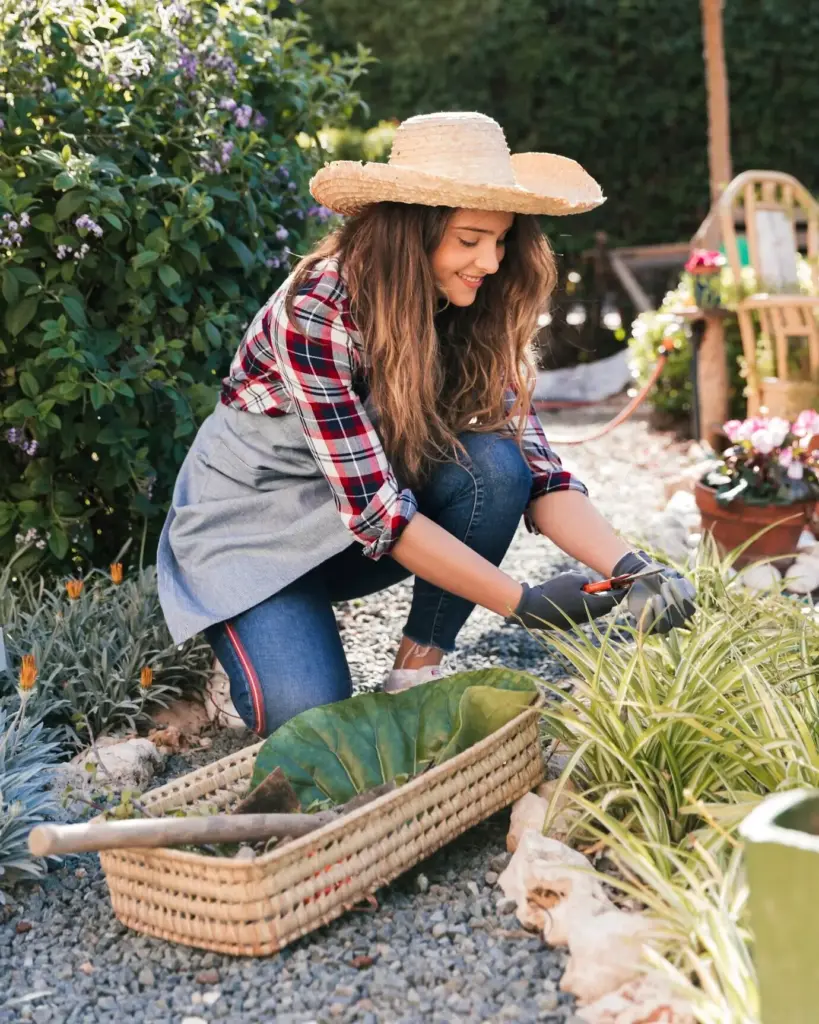
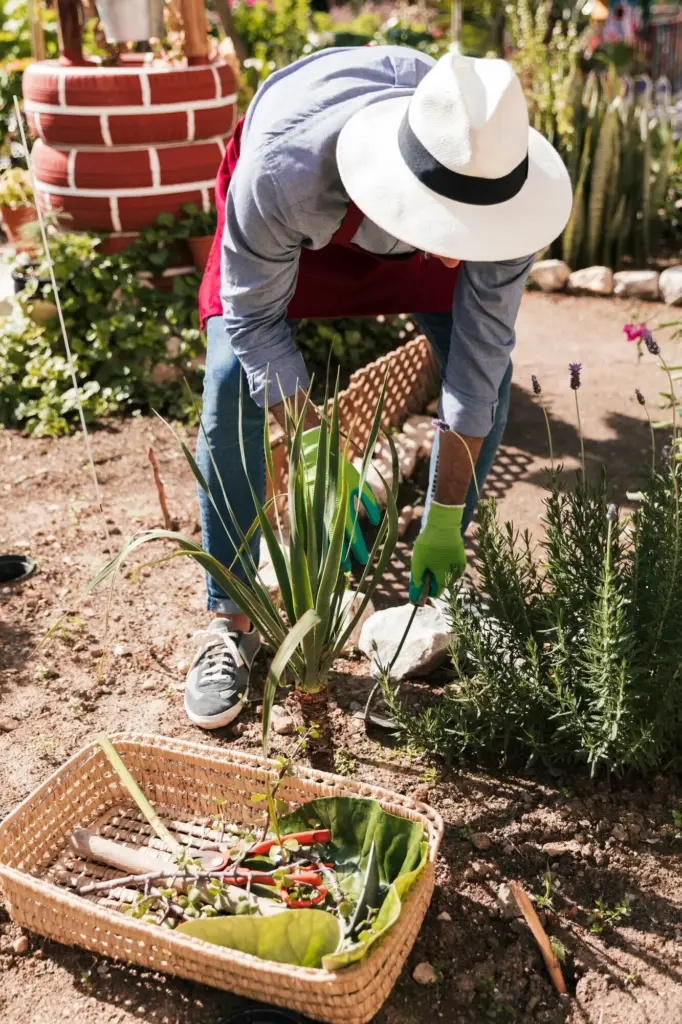
Plastic pots are rarely recycled at scale, often contaminated by soil and labels. Trays arrive wrapped, tags get tossed, and peat-heavy mixes travel far. When you save seeds, you exchange all that for a paper packet, a glass jar, and knowledge. Each seed saved displaces a packaged plant down the line, cuts freight, and reduces impulse purchases that come bundled with waste. Small switches, repeated seasonally, compound into visible reductions you can proudly measure.
One Fruit, Hundreds of Possibilities
A single tomato can hold more future plants than a nursery bench, if you let it. Beans rattle with next year’s dinners, cosmos heads shimmer with months of blossoms, and peppers hide tiny treasure troves. Catching seed at the right maturity preserves vigor, character, and local adaptation. With thoughtful storage, one harvest becomes years of starts, friends’ gifts, and community swaps. It’s abundance written into nature, unlocked by paying gentle attention at harvest time.
Choosing Parents and Keeping Varieties True
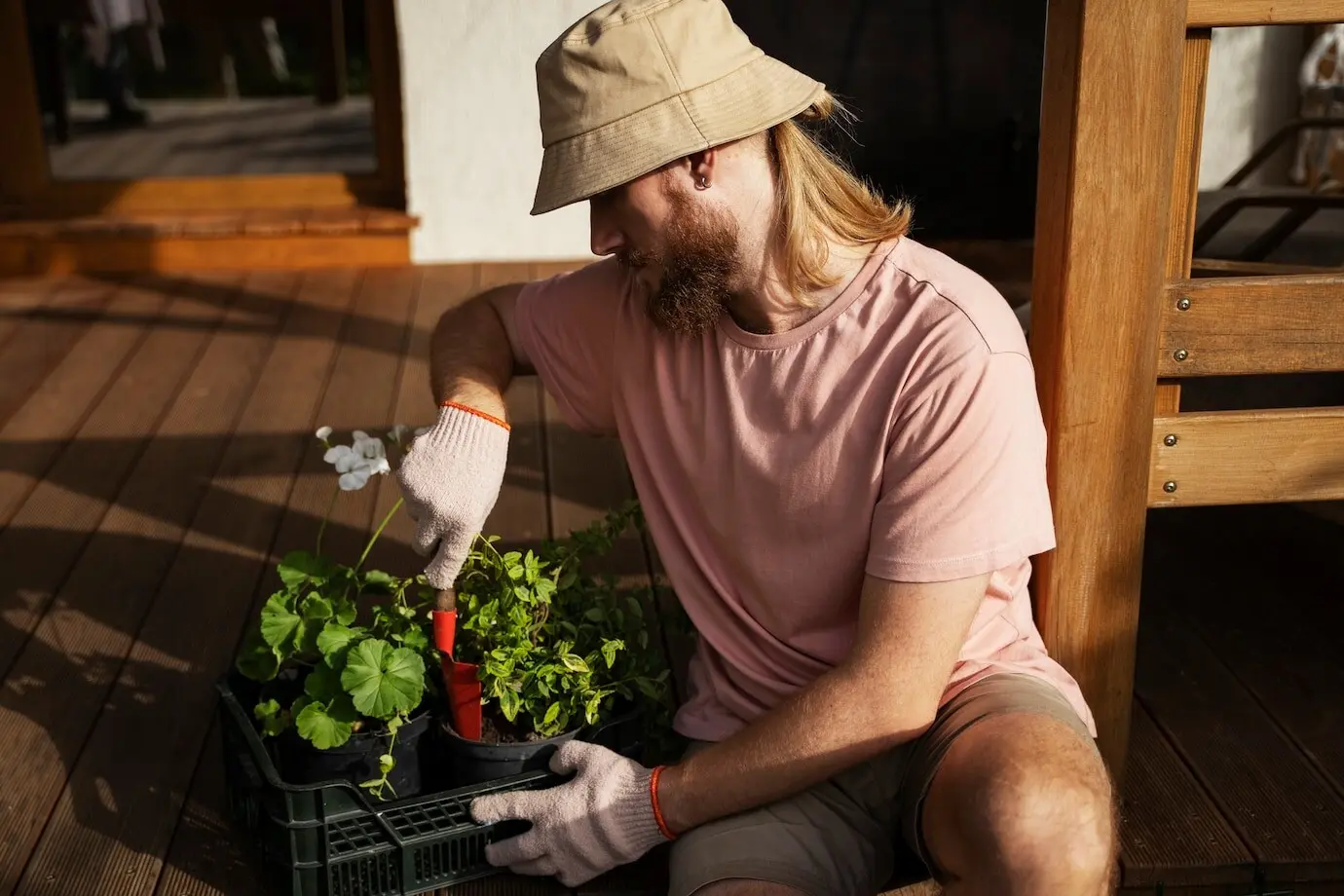
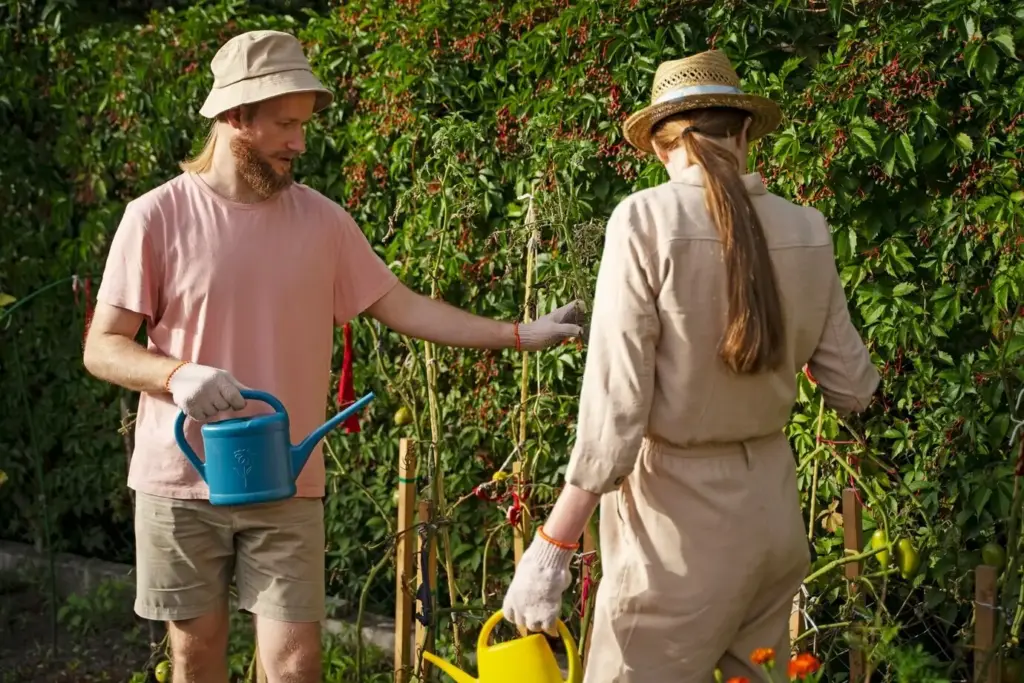
Select your healthiest, tastiest, disease-free plants to set seed. Prioritize self-pollinators like tomatoes, beans, peas, and many lettuces for early success. Separate similar varieties or stagger flowering to reduce cross-pollination. For insect-pollinated crops, use isolation distances, bag blossoms, or hand-pollinate to maintain characteristics you love. Save from multiple plants to maintain genetic vigor. As seasons stack, your seeds learn your soil, weather swings, and routines, reinforcing traits that genuinely serve your garden’s reality.
Dry and Wet Processing without Guesswork
Dry-seeded crops—beans, peas, many flowers—simply mature, dry on the plant, and shatter cleanly once crispy. Wet-seeded champions like tomatoes benefit from a short fermentation that dissolves gelatinous coats and reduces pathogens. Rinse seeds, dry on screens or parchment, and avoid direct sun. Keep batches small, labeled, and patient. A few days of careful drying secures months of viability. The whole process feels satisfying, fragrant, and meditative, turning kitchen counters into tiny seed studios.
Storage: Labeling, Dryness, and Longevity
Seed longevity hinges on cool, dark, dry conditions and precise labeling. Paper packets inside airtight jars with a desiccant reliably curb moisture. Add collection date, variety name, source, and notes about taste or growth habit. Store jars in a cupboard or refrigerator away from temperature swings. Do quick germination tests annually to refresh confidence. Organized storage protects your time and memories, preventing mystery envelopes and orphaned seeds, while consistently delivering vigorous, predictable starts season after season.
Cuttings That Root Reliably
Divide and Thrive
Layering for Shrubs and Vines
Clever Containers That Already Live in Your Kitchen
Humidity and Light Without Buying Gadgets
Local Seeds, Stronger Gardens, Kinder Planet
Share, Teach, and Track the Impact
Host a Plastic-Light Community Swap
Packaging-Free Giving and Fair Trades
Measure Savings in Money, Plastic, and Carbon
All Rights Reserved.