Waste Nothing, Grow Plenty: Zero‑Waste Allotment Hacks That Actually Work

Welcome, plot keepers and backyard experimenters. Today we dive into zero-waste allotment hacks: practical, low-cost ideas that turn scraps, rain, and community spirit into thriving beds. Expect tested methods, friendly anecdotes, and science-backed shortcuts you can start using this weekend without buying anything new. Share your cleverest reuse in the comments, and subscribe for seasonal checklists that keep momentum strong and bins blissfully empty.

Plan Smart, Buy Less

Thoughtful planning eliminates waste before it starts, saving money, emissions, and your patience during peak planting chaos. We’ll map beds, coordinate sowing with real appetites, and organize shared resources so offcuts and surplus seedlings flow to new homes instead of landfill, building a generous, resilient allotment culture that welcomes beginners and rewards seasoned growers.

Compost Alchemy Without the Fuss

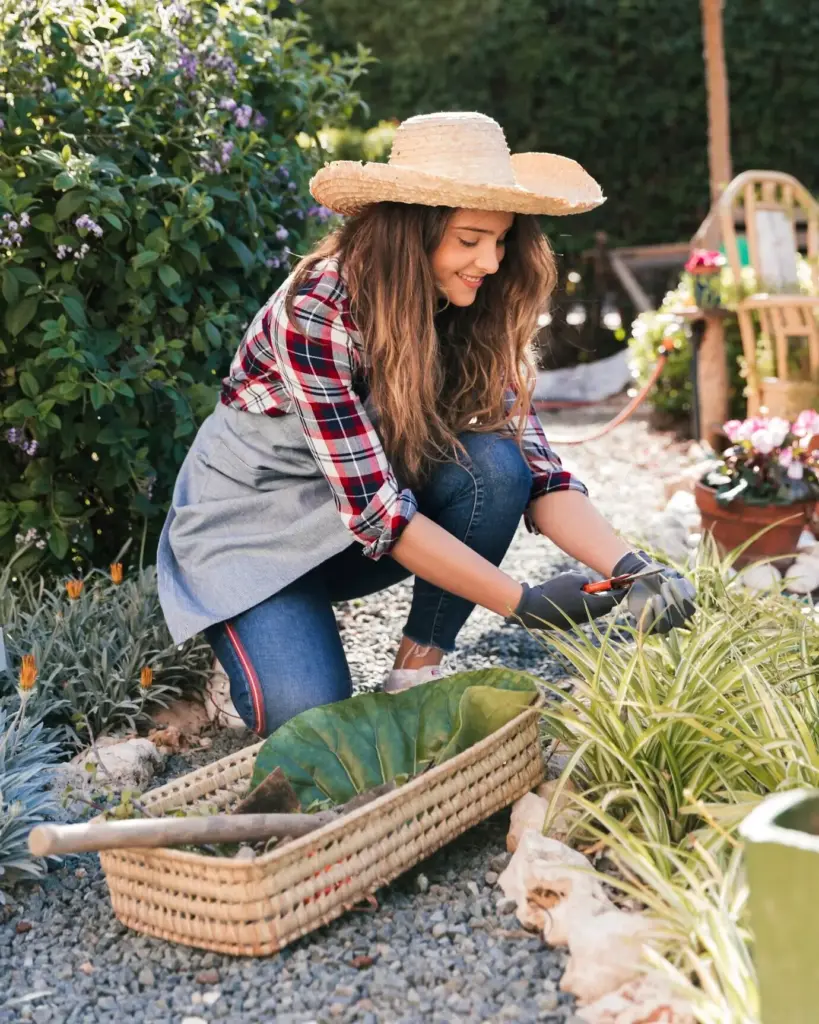
Kitchen peels, prunings, cardboard, and coffee grounds become nutrient gold when balanced thoughtfully. Skip plastic bags and noisy trucks by cycling everything onsite. We’ll compare hot heaps, bokashi buckets, and worm farms, sharing realistic timelines, seasonal tweaks, odor fixes, and encouraging wins from tiny spaces.

Rain Barrels Made Responsible

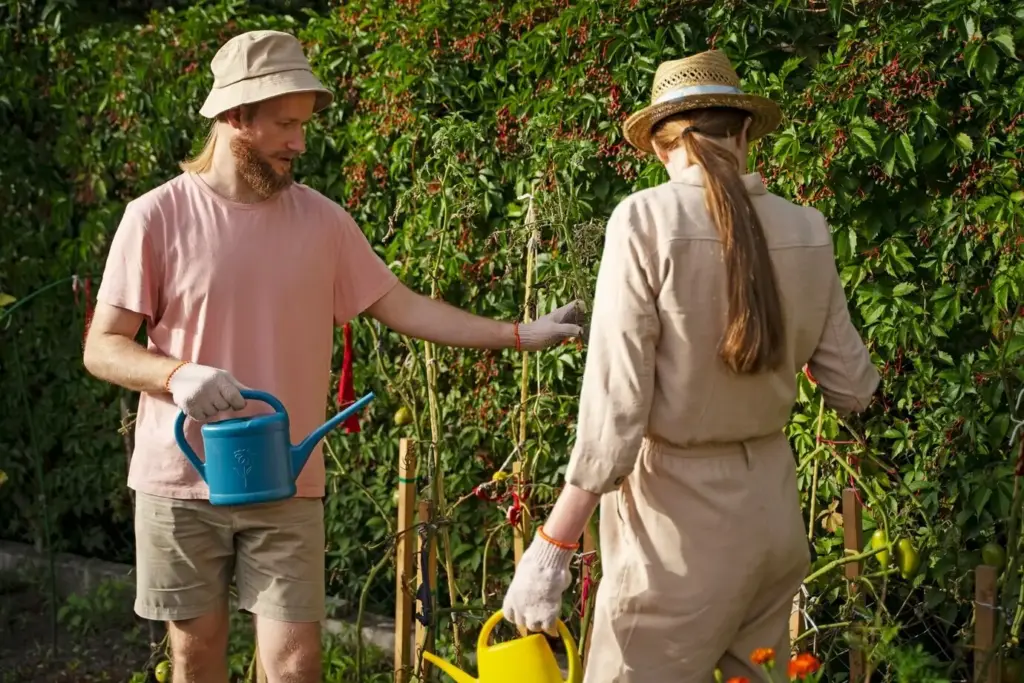
Source food-grade drums, fit a diverter with a first-flush, and cover inlets with fine mesh to exclude mosquitoes. Link barrels low, elevate on sturdy pallets for watering cans, and paint them dark to inhibit algae, turning storm surges into gentle, predictable irrigation.

DIY Wicking Beds and Bottles

Repurpose bottles, old fabric, and perforated pipes to create capillary reservoirs beneath soil, stopping evaporation while delivering steady moisture. Seedlings root deeply, harvests become smoother, and watering frequency drops, especially during holidays, when inconsistency traditionally wastes effort and stresses plants beyond easy recovery.
Greywater With Care

If you must reuse sink water, choose biodegradable soaps, strain solids, and rotate application areas to avoid salt buildup. Test soil occasionally, prioritize ornamentals, and always keep edibles safe by applying to soil only, never directly onto leaves you intend to eat.

Grow More, Waste None

Seed-Starting Without Trash

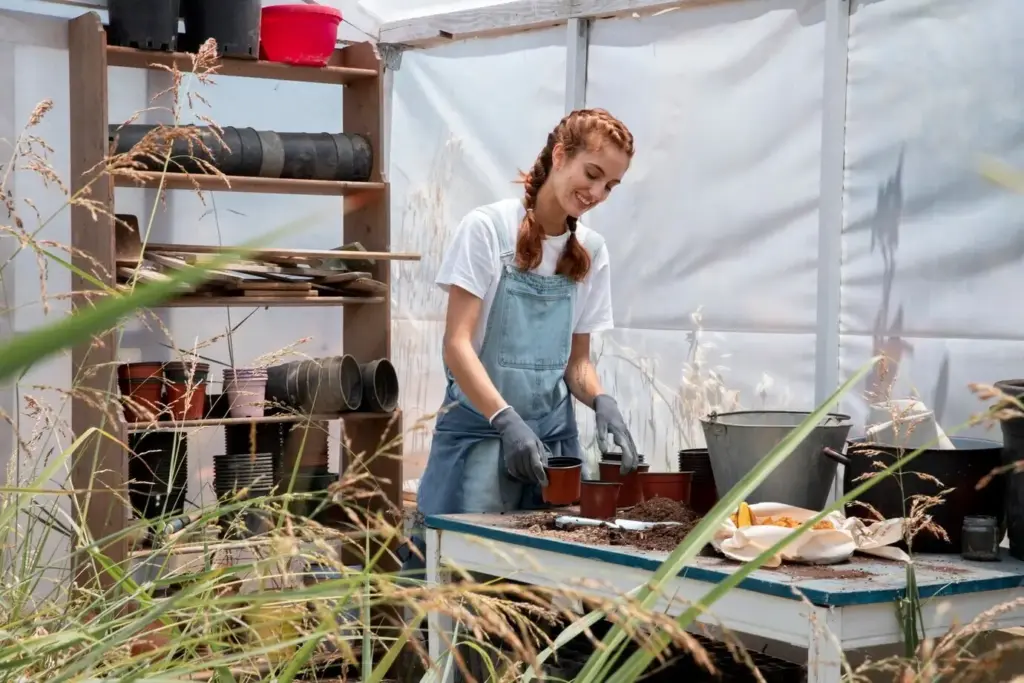
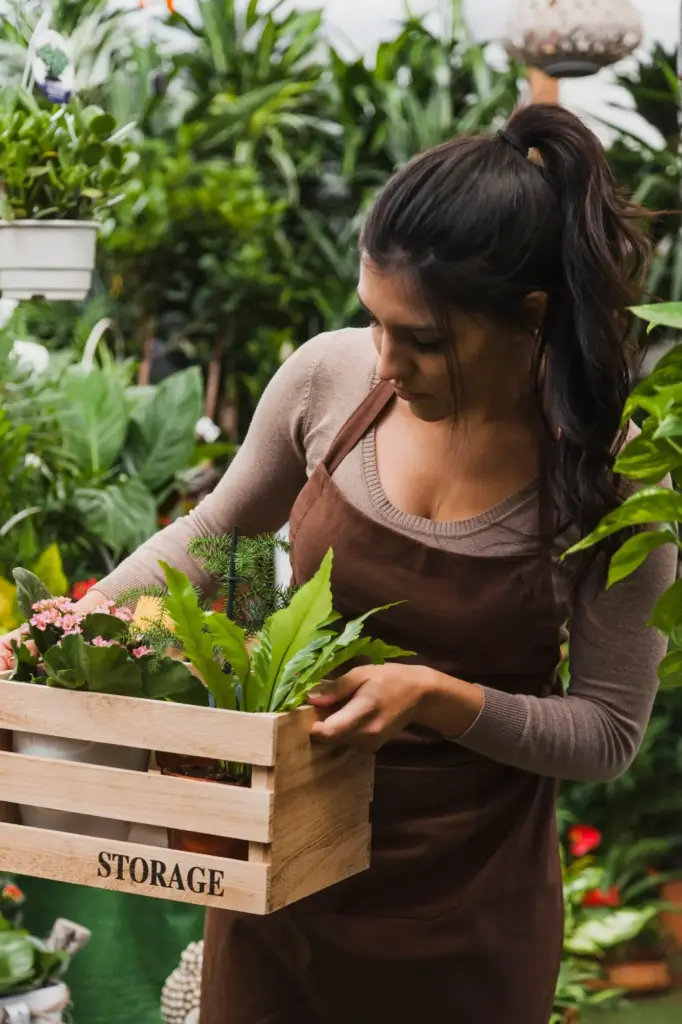
Sow in toilet roll pots, shredded-paper blocks, and rescued trays, labeling with repurposed can lids or broken terracotta shards. Prick out promptly, harden off carefully, and plant the whole biodegradable container, reducing transplant shock and plastic waste while speeding healthy, uninterrupted root growth.

No-Dig Layers That Last

Sheet mulch with plain cardboard beneath compost and organic matter, letting fungi, worms, and rainfall build soil structure naturally. The method suppresses weeds, conserves moisture, skips plastic membranes, and turns autumn leaves into spring fertility without heavy digging or noisy, fuel-hungry machinery.

Succession, Intercropping, and Sanity

Instead of sowing entire packets, plan small, frequent successions and pair quick salad leaves under slower brassicas. Record harvest windows, share spare seedlings early, and dodge the notorious zucchini avalanche with recipes queued, neighbors warned, and freezing containers ready for sudden abundance.

Upcycle Tools, Build Character

Hardware stores are optional when you learn to mend, repurpose, and improvise. Simple adjustments extend lifespans and keep metal, wood, and fabric in circulation. Expect quicker setups, fewer frustrations, and the quiet satisfaction that comes from elegant fixes crafted with everyday, salvaged parts.

Cloches and Covers From Castoffs

Cut the bottoms from clear bottles for cloches, sew old curtains into frost covers, and hinge cracked windows into low cold frames. Microclimates emerge, crops start earlier, and you rescue glass and plastic that would otherwise demand energy-intensive recycling or disposal.

Labels That Last, Waste Less

Slice aluminum cans into tags, punch a hole, and write with a pencil that withstands sun and showers. Broken pot shards also shine as markers, keeping names readable for seasons, reducing plastic stakes, and preserving plant histories across years of curious experimentation.

Preserve, Share, and Celebrate

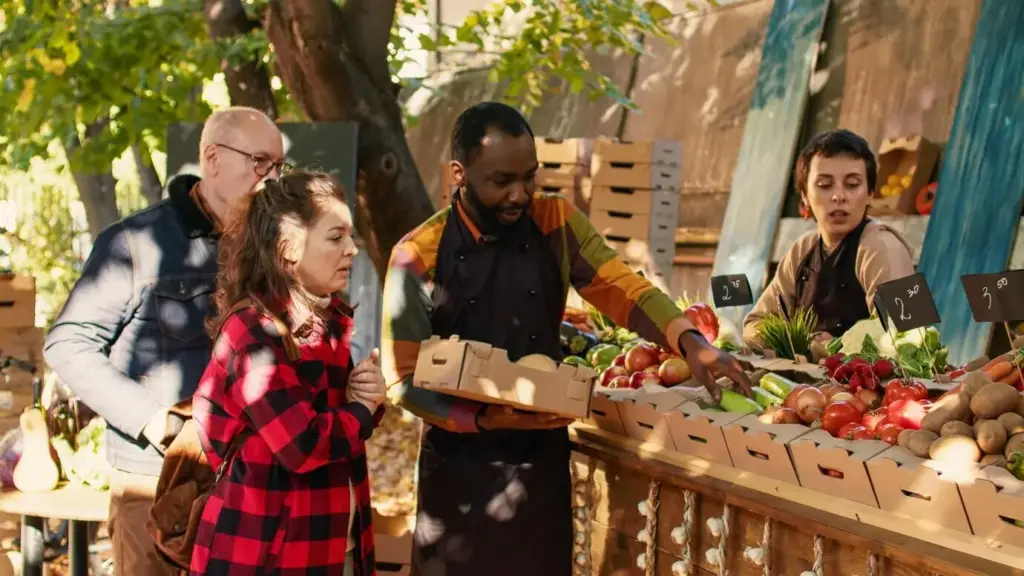
Peak harvests rarely arrive politely. With a few simple systems, bumper crops turn into pantry staples and neighborhood joy. We’ll dry, pickle, ferment, and coordinate donations, ensuring every tomato, bean, and beet finds a purpose that extends flavor, nutrition, and goodwill.
Farilivovaroteli
Privacy Overview

This website uses cookies so that we can provide you with the best user experience possible. Cookie information is stored in your browser and performs functions such as recognising you when you return to our website and helping our team to understand which sections of the website you find most interesting and useful.