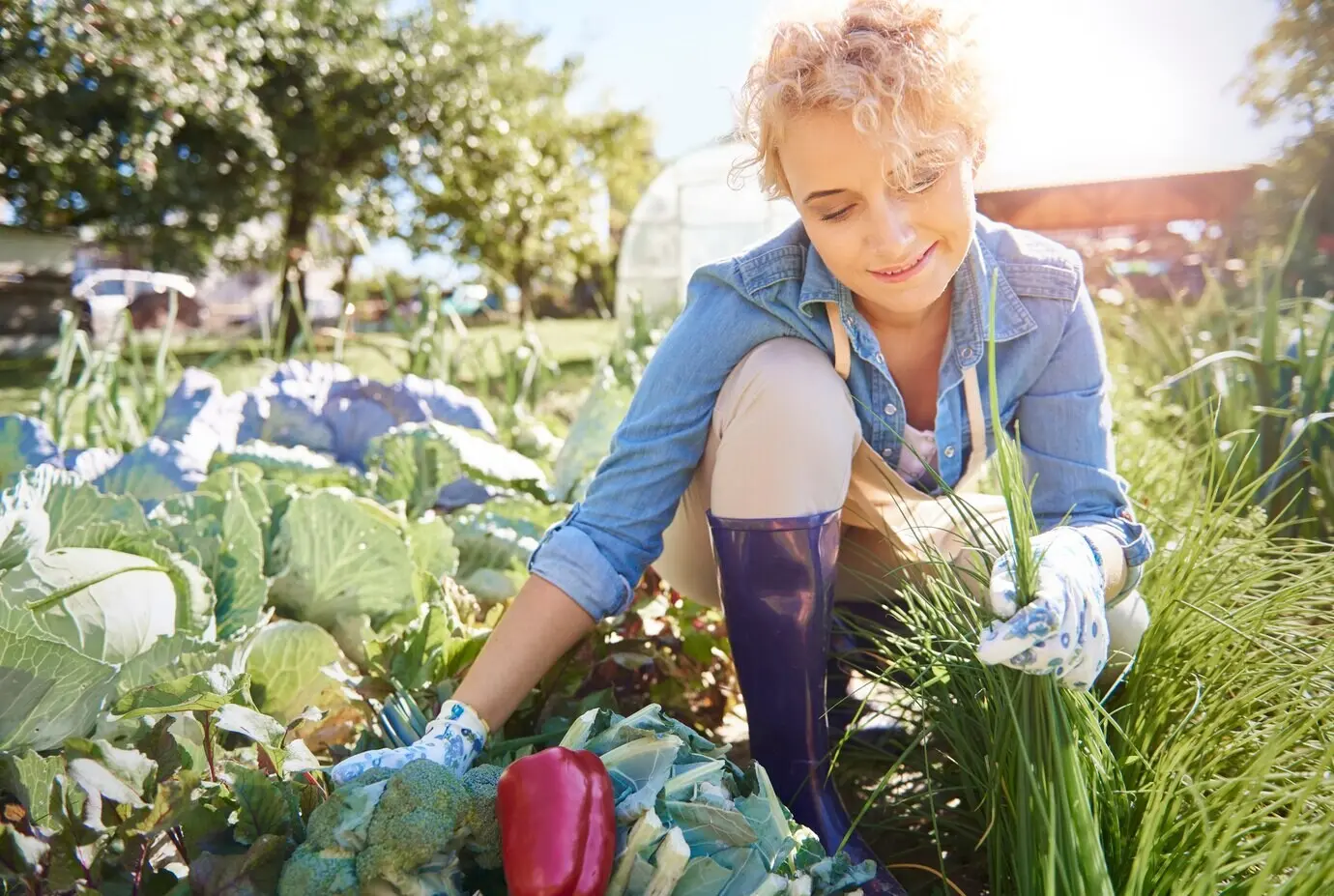
Save the Harvest, Skip the Waste

Let’s turn abundance into resilience by exploring zero-waste methods to preserve gluts—fermenting, drying, and canning. Together we will transform bumper harvests into months of vibrant meals, while reducing packaging, energy waste, and spoilage. Expect science-backed guidance, practical checklists, and inviting stories that help you work safely, confidently, and creatively, even on the busiest harvest day.

Microbes As Allies, Not Enemies

Wild lactic acid bacteria thrive in salty, oxygen-poor environments, acidifying vegetables until spoilage organisms retreat. Aim for a 2 to 3 percent brine by weight, submerge fully, keep vessels slightly vented, and ferment cool to moderate. Expect bubbles, tang, and cloudiness, but reject fuzzy growth or unpleasant, putrid smells.

Water Activity: Why Drying Works

Drying preserves by depriving microbes of available water. Slice evenly, increase surface area, and maintain steady airflow with temperatures that protect flavor, typically 45 to 60 degrees Celsius. Blanch vegetables that brown, pretreat fruits with lemon, and store hardened pieces in airtight containers with minimal headspace and darkness.

Fermenting Without Fuss

{{SECTION_SUBTITLE}}
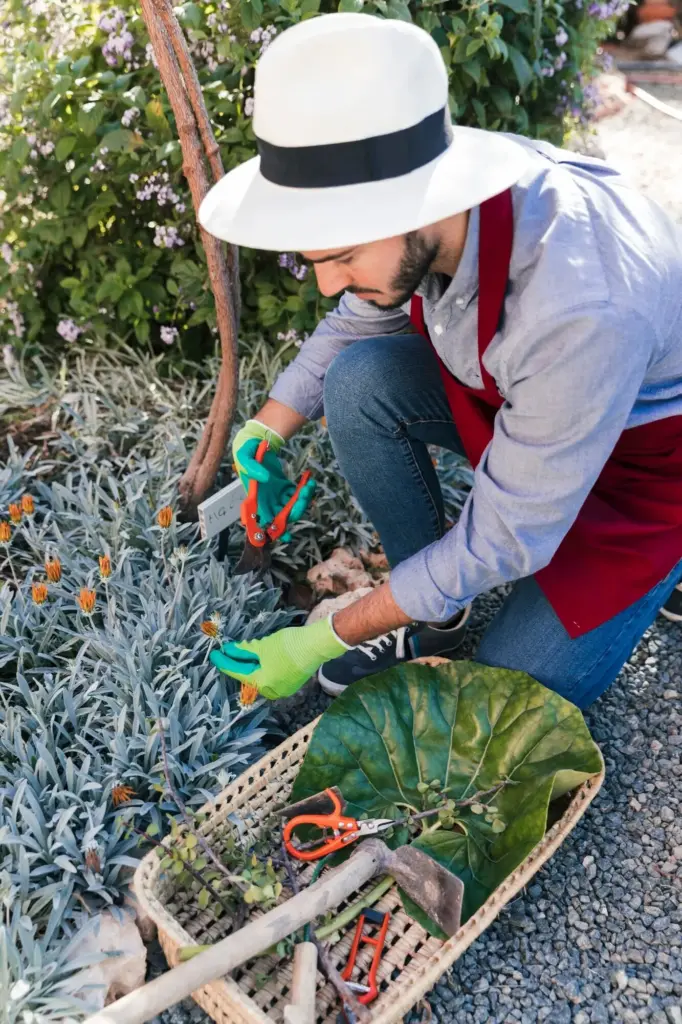
Crisp Cucumbers With Simple Brine
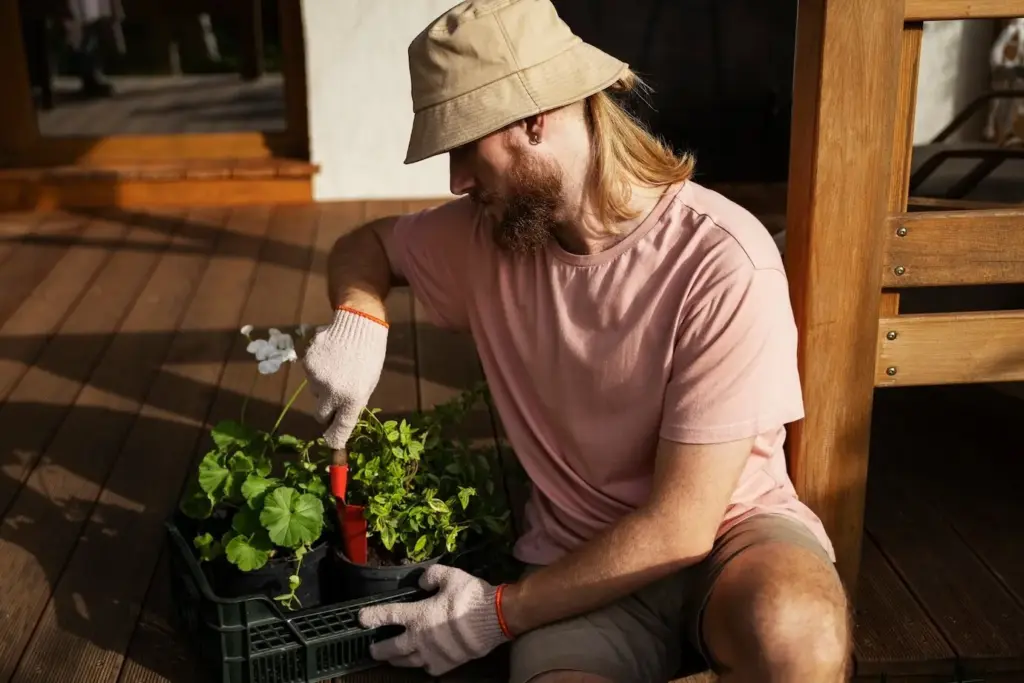
Choose firm cucumbers, trim blossom ends, and mix a 2.5 percent brine. Add garlic, dill, and grape leaves or tea for tannins that preserve crunch. Ferment 5 to 7 days around 18 to 22 degrees Celsius. Skim surface films, keep cucumbers submerged, and refrigerate when pleasantly sour.

Garden-Kimchi From Odds and Ends

Use cabbage cores, radish tops, and sturdy stems with chilies, ginger, and garlic. Salt at about 2 percent, massage briefly, and coat with a simple rice paste and gochugaru or local chili. Pack tightly, press out air, ferment one to two days warm, then move cooler to mellow.

Herbs That Keep Their Brightness

Harvest herbs in the morning, shake off dew, and dry in shaded airflow to protect volatile oils. Keep temperatures under 40 degrees Celsius for delicate leaves. Strip when crisp, jar loosely, add a moisture absorber if humid, and store in darkness to maintain color, scent, and potency.

Fruit Leathers From Overripe Surplus

Blend overripe fruit with a squeeze of lemon, maybe spices, but avoid excess sugar. Spread thinly on lined trays and dry until the surface is smooth, no wet spots, and edges release easily. Roll, cut, wrap, and store airtight for lunchboxes, hikes, and sudden dessert cravings.

Canning With Confidence and Care

Precision makes jarred food dependable. Match method to acidity, oxygen, and density; choose water-bath for high-acid and pressure for low-acid. Measure headspace, remove bubbles, adjust for altitude, and time accurately. When finished, cool undisturbed, lift by rims only, and check seals before shelving or sharing widely.
Start with peeled or crushed tomatoes, add bottled lemon juice or citric acid to guarantee safe acidity, and pack hot. Process pints in a boiling-water bath according to altitude. The result becomes soups, shakshuka, stews, and pizza sauce that taste like summer even in February.
Pressure canning beans tames convenience without waste. Soak or pre-boil briefly, load hot jars with beans and boiling water, vent steam for ten minutes, then process at the pressure your altitude requires. Cool overnight, remove rings, and stack a speedy protein source ready for chilis, salads, or dips.
Reuse jars many times if free of chips or cracks, but always choose new flat lids for reliable seals. Wash rings, dry thoroughly, and store off the jar to prevent rust. Save failed seals for the fridge, not shelves, and feel proud reducing packaging waste.

A Zero-Waste Workflow For Bumper Crops
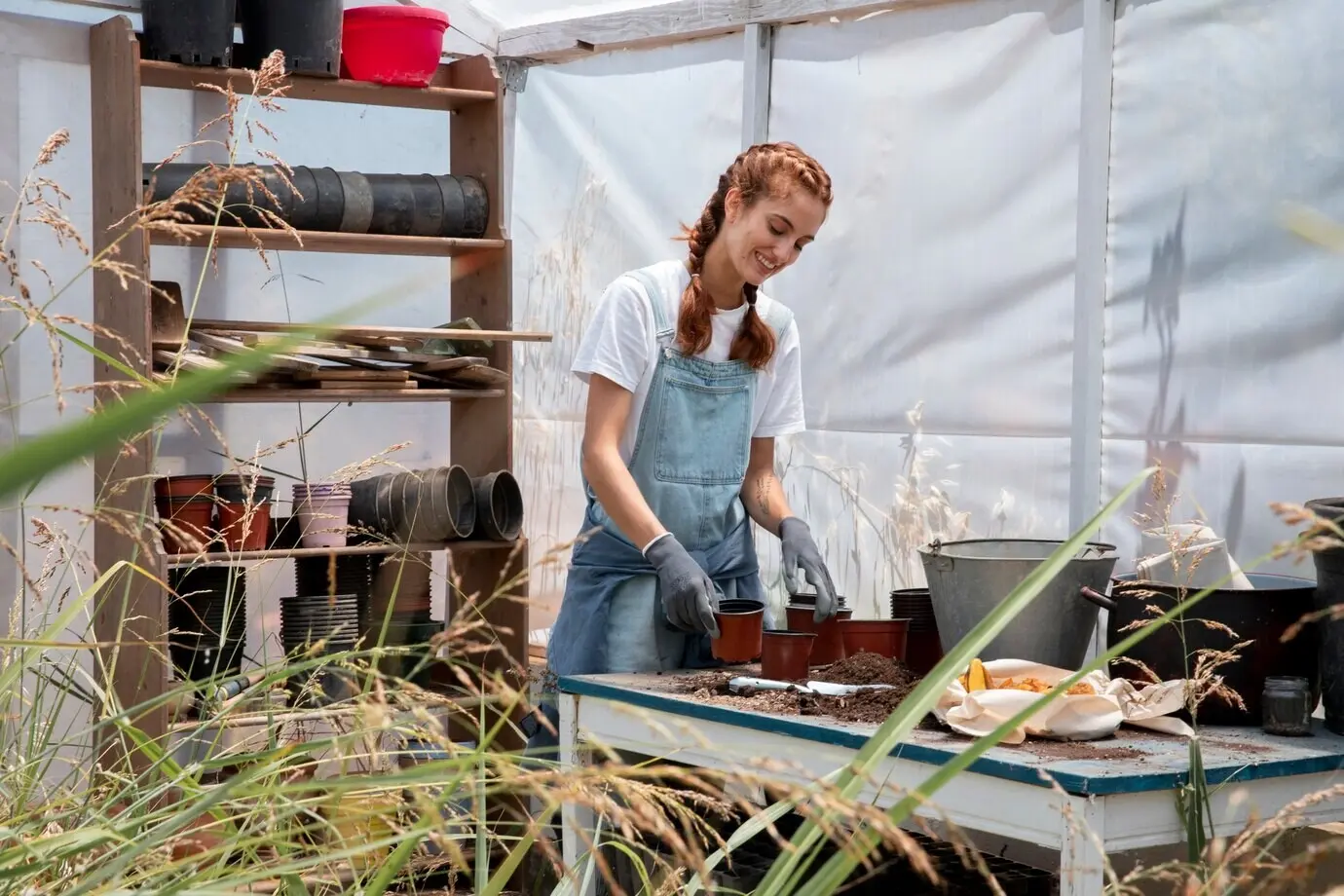
Abundance moves fast, so design flow. Triage produce by ripeness, allocate the crunchiest to ferments, the sweetest to leathers, and mixed odds to sauces for canning. Schedule energy-efficient batches, keep blades sharp, and set up zones that capture peels, cores, and stems for secondary uses.

Cooking From Your Stash

Storing is only half the story; eating completes the loop. Build weeknight meals around jars and jars of possibilities, mixing bright ferments with sturdy canned bases and quick rehydrated elements. The result is speed, nutrition, and comfort without plastic trays, emergency deliveries, or dull repetition.

Weeknight Ramen With Fermented Crunch

Simmer a light broth, whisk in miso off-heat, then add chopped fermented carrots, scallions, and a few dried mushroom slices rehydrated in the pot. Top with noodles, sesame, and chili oil. It is fast, restorative, and happens because you preserved thoughtfully when produce overflowed.

Flatbreads, Spreads, and Dried Tomato Magic
Knead a quick dough, sear flatbreads in a skillet, and smear with blended white beans brightened by lemony dried tomato powder. Add jarred peppers, olives, and crunchy kraut. A five-minute lunch becomes fragrant, colorful, and satisfying, powered by your patient weekend preserving sessions.

Community, Sharing, and Skill-Building

Skills grow stronger when shared. Trade jars at community swaps, organize gleaning days, compare safe processes, and celebrate successes alongside lessons learned. Invite neighbors to taste ferments, teach kids to dry apples, and join our updates for seasonal prompts, troubleshooting chats, and inspiring stories from everyday kitchens.

Host a Neighborhood Swap

Schedule a weekend morning, keep risk low by focusing on high-acid preserves and dried goods, and ask participants to label ingredients and date. Provide hot water for sanitizing tongs, a tasting station, and a donation jar for jars. Leave with recipes, friends, and renewed confidence.

Safety When Gifting Preserves

When gifting, include a card with process details, best-by guidance, and storage instructions. Suggest boiling-water dishes for high-acid jars and refrigerator storage after opening. Share altitude and processing times for canning, or salt percentages for ferments, so recipients feel secure, informed, and excited to cook immediately.

Tell Us What You Saved

We would love to hear how you rescued abundance. Comment with your proudest jar, best drying hack, or bravest fermentation save, then subscribe for seasonal checklists and community calls. Your experiences guide future experiments, help neighbors, and keep this practical, joyful movement growing fruitfully together.

Farilivovaroteli
Privacy Overview

This website uses cookies so that we can provide you with the best user experience possible. Cookie information is stored in your browser and performs functions such as recognising you when you return to our website and helping our team to understand which sections of the website you find most interesting and useful.